
1. Rome IV Diagnostic Criteria for Functional Constipation
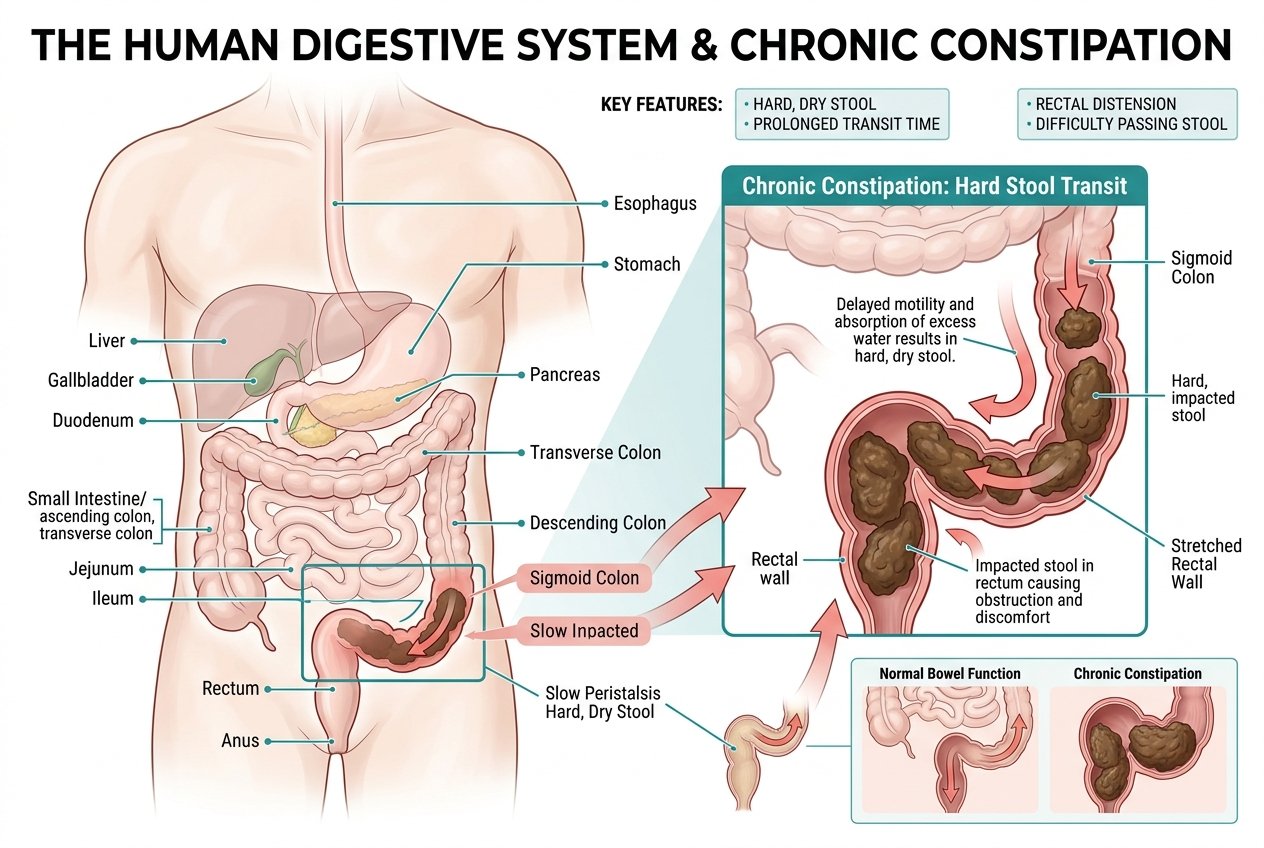
Clinical diagnosis requires two or more of the following symptoms present for at least 25% of defecations over the preceding 3 months:
- Excessive straining during bowel movements.
- Lumpy or hard stools (Bristol Stool Form Scale Types 1 and 2).
- Sensation of incomplete anorectal evacuation.
- Sensation of anorectal blockage or mechanical obstruction.
- Manual maneuvers required to facilitate defecation (digital evacuation).
- Fewer than three spontaneous complete bowel evacuations per week.
2. Biomechanics: How Straining Destroys Anorectal Cushions
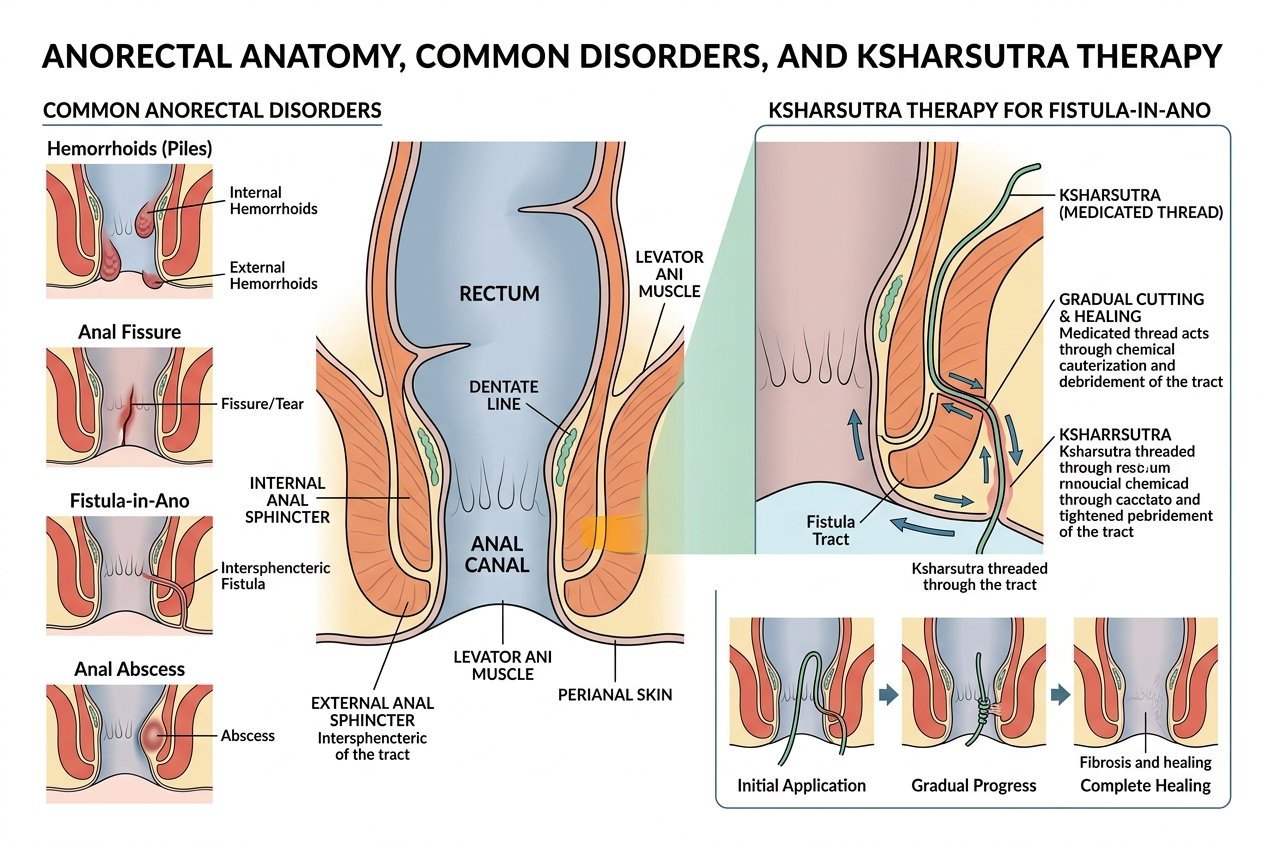
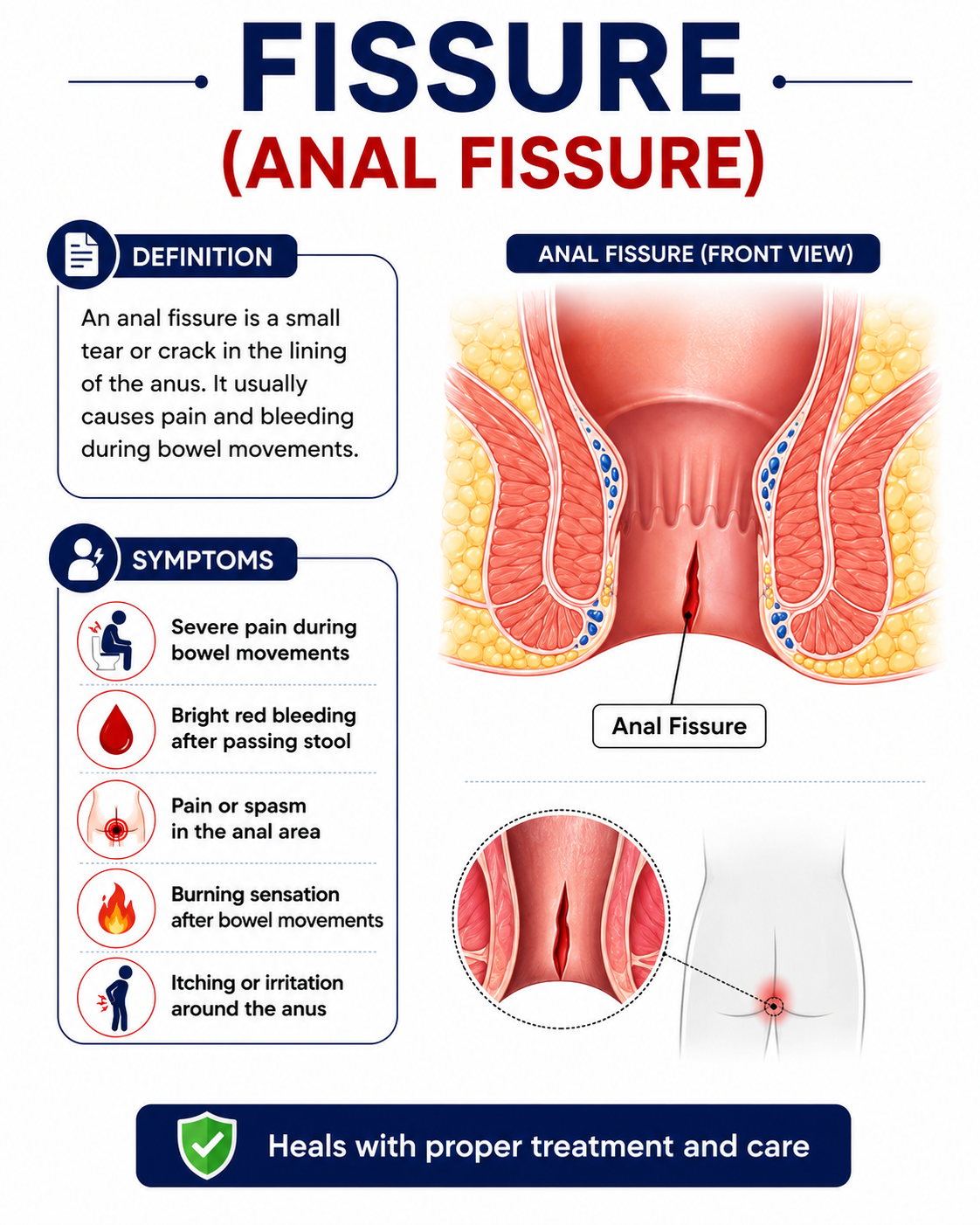
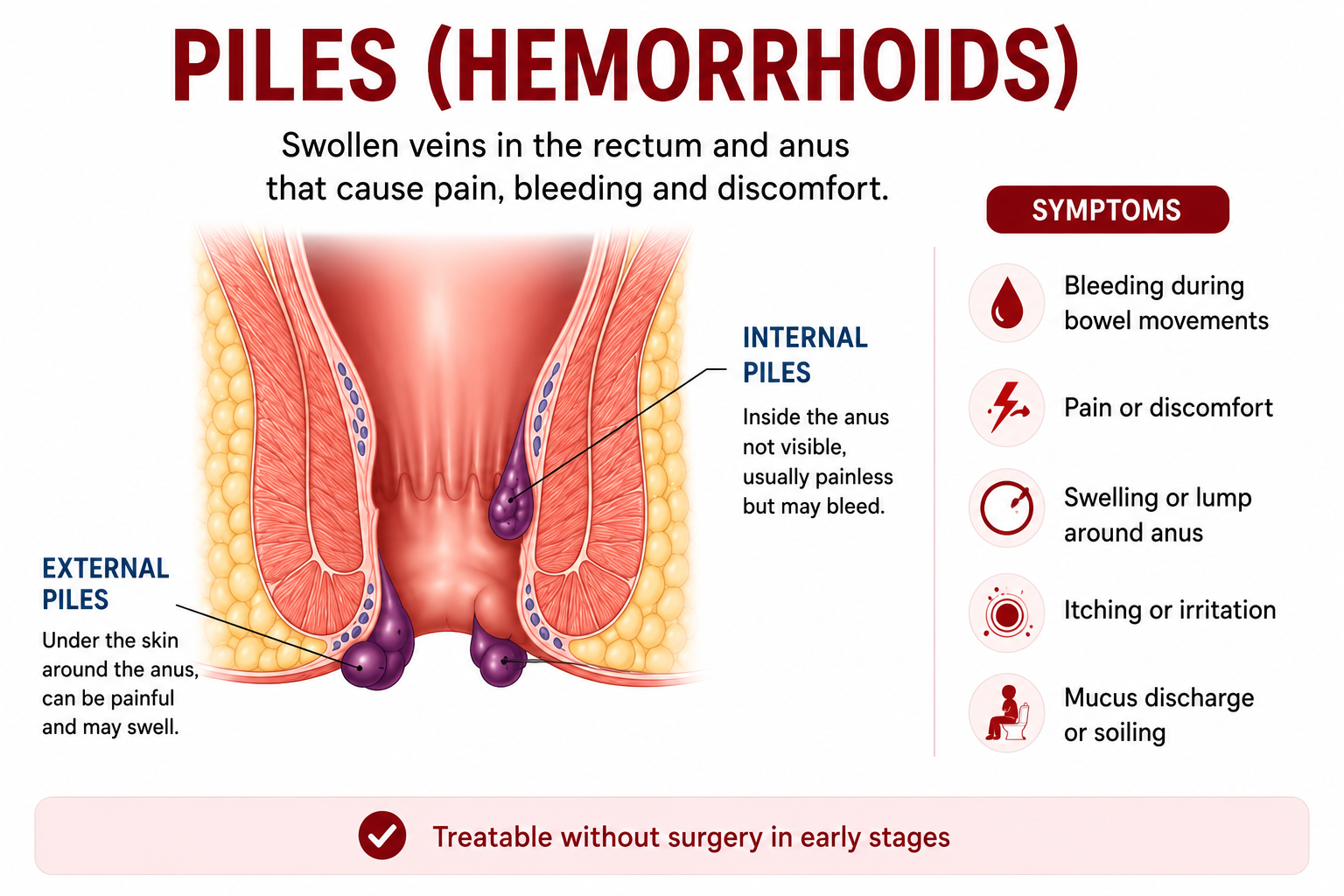
During prolonged Valsalva straining against a hard scybalous fecal mass, intra-abdominal pressure skyrockets from normal resting levels of 20–30 mmHg to over 200 mmHg. This extreme hydraulic pressure shears the anchoring collagen fibers (Treitz muscle), displacing the vascular cushions downward into the anal lumen (Piles) and splitting the posterior anoderm (Fissures).
3. 4AXIS Evidence-Based Gut Matrix
30–35 grams of mixed soluble and insoluble fiber daily. Psyllium husk (Isabgol) creates a slippery mucilage gel that retains stool moisture.
Minimum 35 mL of water per kg of body weight daily (approx. 2.5–3.5 liters). Drink two glasses of warm water immediately upon waking to trigger the gastrocolic reflex.
Balanced synergistic blend of Haritaki, Bibhitaki, and Amalaki strengthens colonic peristalsis without the habit-forming dangers of stimulant chemical laxatives.
Using an 8-inch footstool beneath the feet while using a western toilet flexes the hips to 35 degrees, straightening the puborectalis muscle choke around the rectum for effortless evacuation without pelvic floor strain.